A tiny home can still hold a legit music setup—you just need a plan that respects both your square footage and your sanity. These ideas are the exact kinds of moves I’ve used in my own small apartments to fit real gear in without making the space feel like a storage unit.
Claim a Corner Command Center
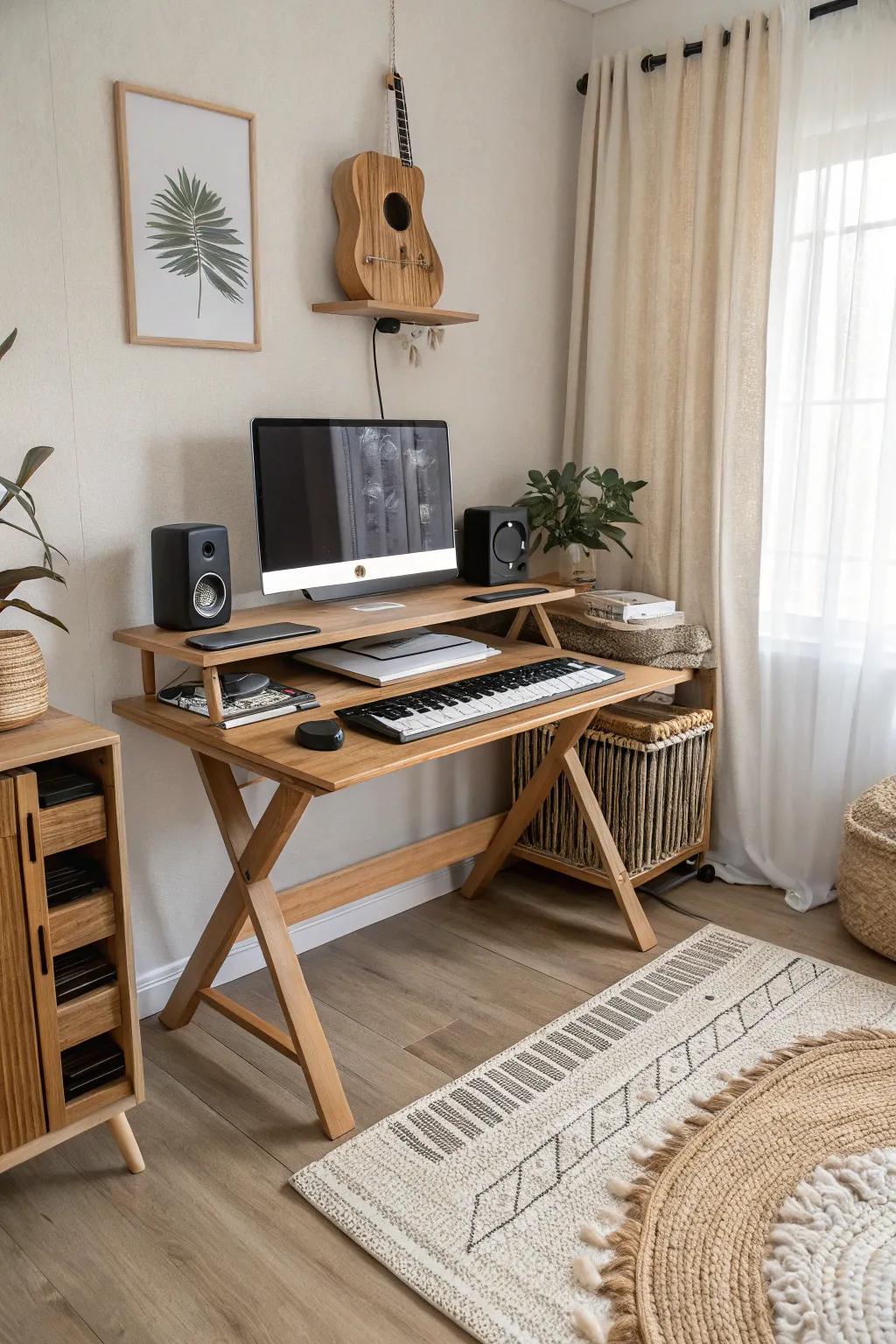
In my 450 sq ft place, I carved out a corner workstation and instantly got my floor space back because everything hugged the walls. If you angle your desk and chair just right, your studio monitors and keyboard feel centered without stealing the whole room.
These products might help:
- Compact Studio Desk with Monitor Shelf: Maximize your limited floor plan with a layered desk that elevates your screen and organizes gear efficiently.
- Active Studio Monitor Speakers: Position these compact speakers on your desk corners to achieve clear, focused audio monitoring in tight spaces.
- MIDI Controller Keyboard (49-Key or smaller): Add musical versatility to your setup with a slim controller that slides easily under your monitor shelf.
Clamp a Mic Arm to the Desk
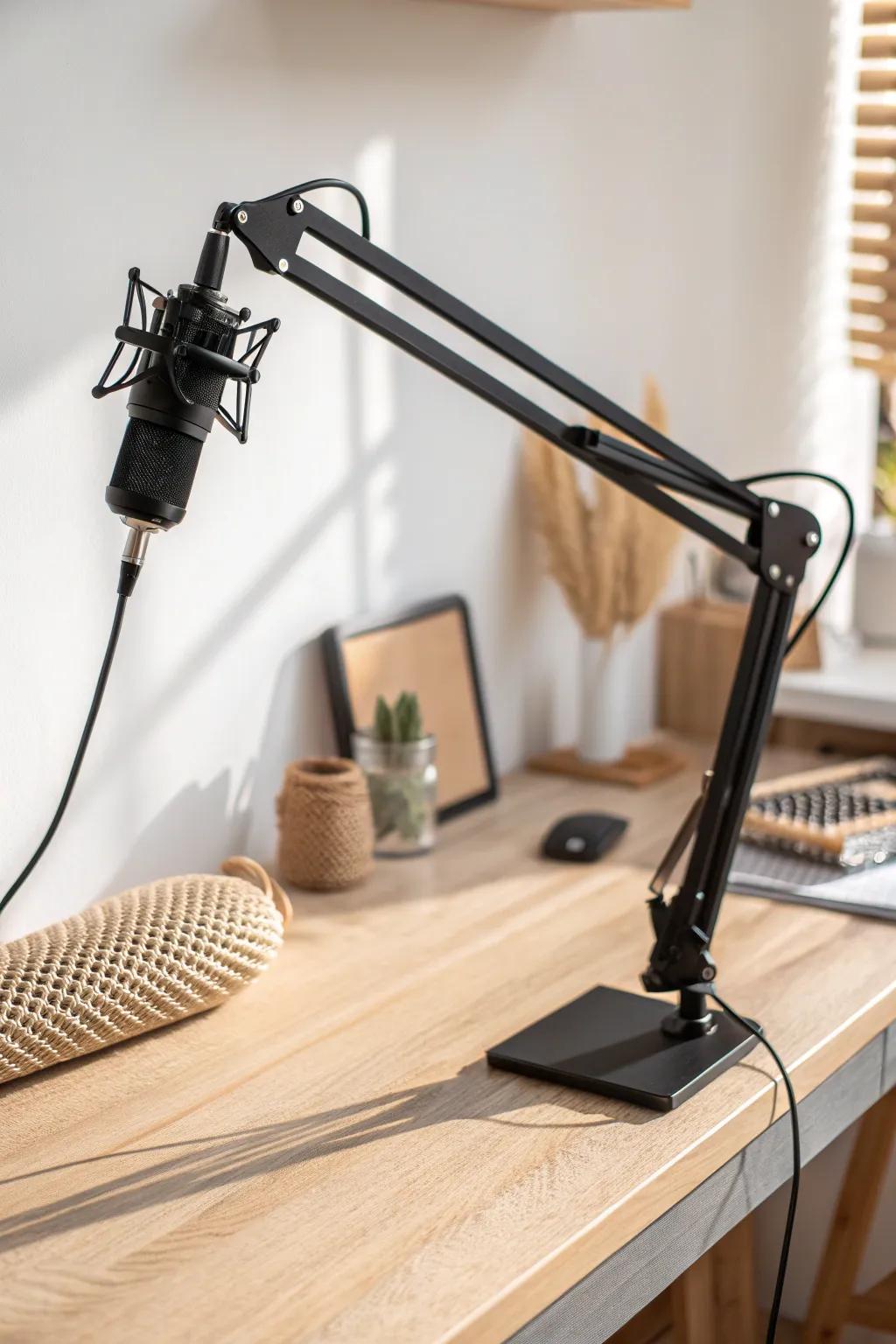
A microphone boom arm changed everything for me because I could record vocals without sacrificing precious floor space. I love that I can swing it out for takes and tuck it away when I’m back to editing.
Give these a look:
- Adjustable Microphone Boom Arm: Save desk space and easily position your mic exactly where you need it for clear recordings every time.
- Microphone Shock Mount: Prevent unwanted vibrations and rumble noises from ruining your takes by suspending your mic securely in place.
- XLR Microphone Cable: Ensure a clean, reliable signal connection for your recording setup with a durable, high-quality audio cable.
Use a Rolling Cart as a Mobile Rig
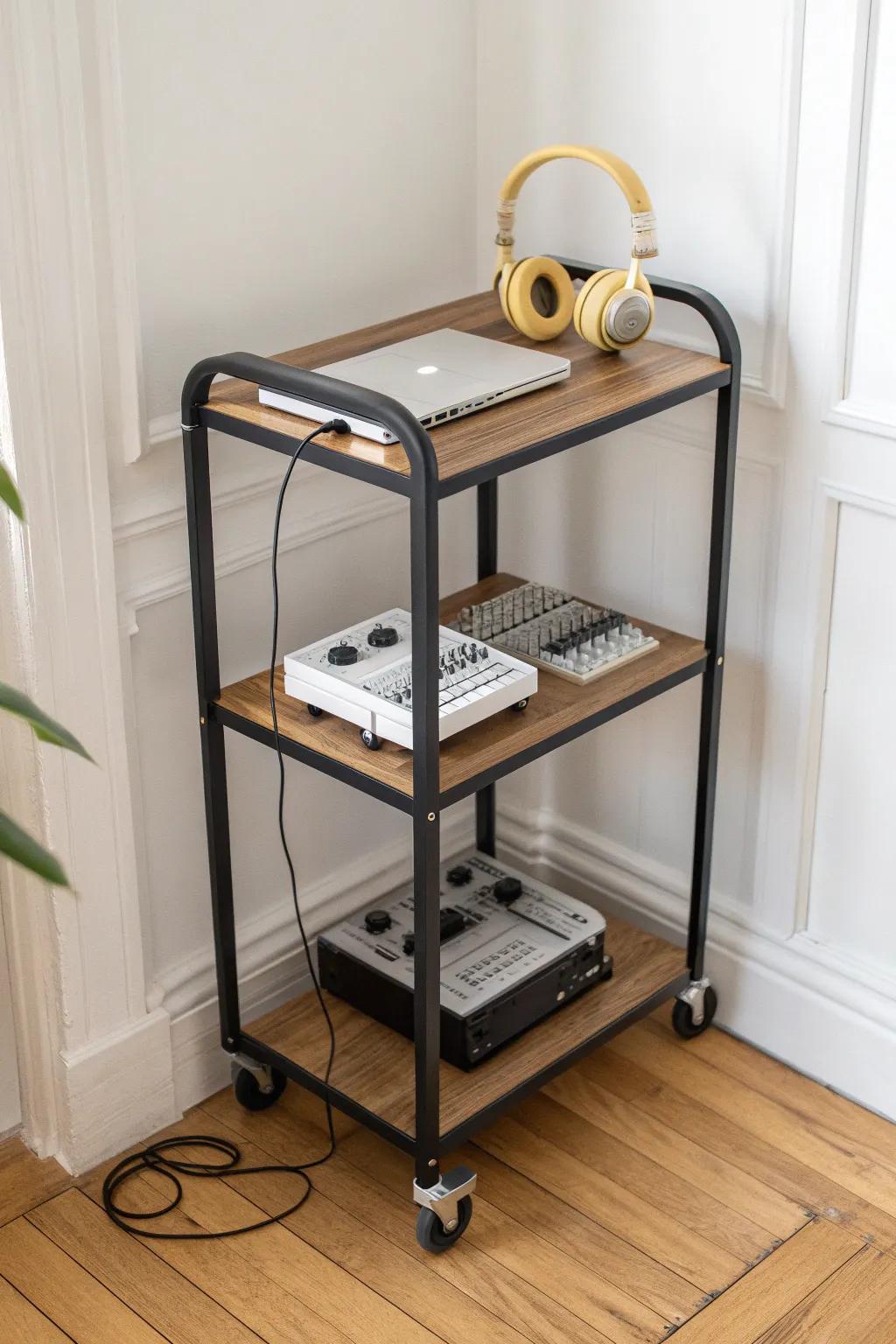
I’ve used a little rolling cart for my interface, headphones, and a small controller so I can shift my music production setup from bedroom to living room depending on the day. It’s such a relief when your studio needs to be flexible instead of permanent.
Useful items to consider:
- 3-Tier Rolling Utility Cart: Organize your essential gear on wheels to easily move your creative setup between rooms whenever inspiration strikes.
- Over-Ear Studio Headphones: Ensure accurate audio monitoring while keeping your mobile rig compact and wire-free with comfortable, high-quality headphones.
- Compact MIDI Controller: Add tactile control to your mobile setup with a portable interface that fits perfectly on smaller shelves.

Make Lighting Part of the Workflow
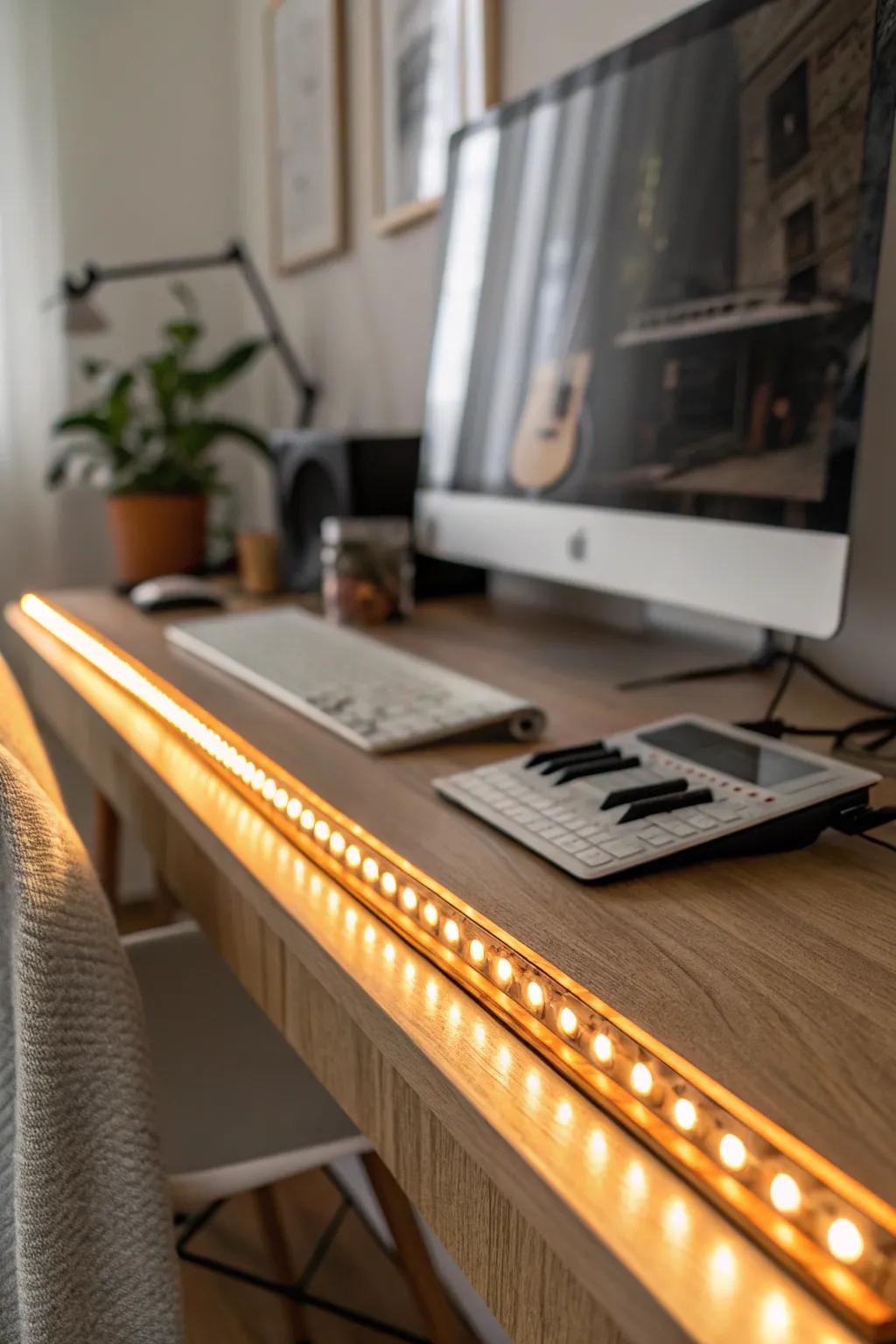
I added soft mood lighting behind my screens and it seriously helped my focus in a cramped setup because the harsh contrast went away. It also made the whole corner feel like a creative zone instead of a random desk shoved against a wall.
Possibly helpful picks:
- Adhesive LED Strip Lights: Attach these versatile strips behind your desk or monitor to instantly add warmth and reduce eye strain.
- Smart Monitor Light Bar: Mount this bar atop your screen to illuminate your workspace without creating glare on the display.
- Bias Lighting Kit for Screens: Install this simple backlight behind your monitor to improve contrast perception and create a focused studio vibe.
Try a “Listening Seat” That Isn’t Your Chair
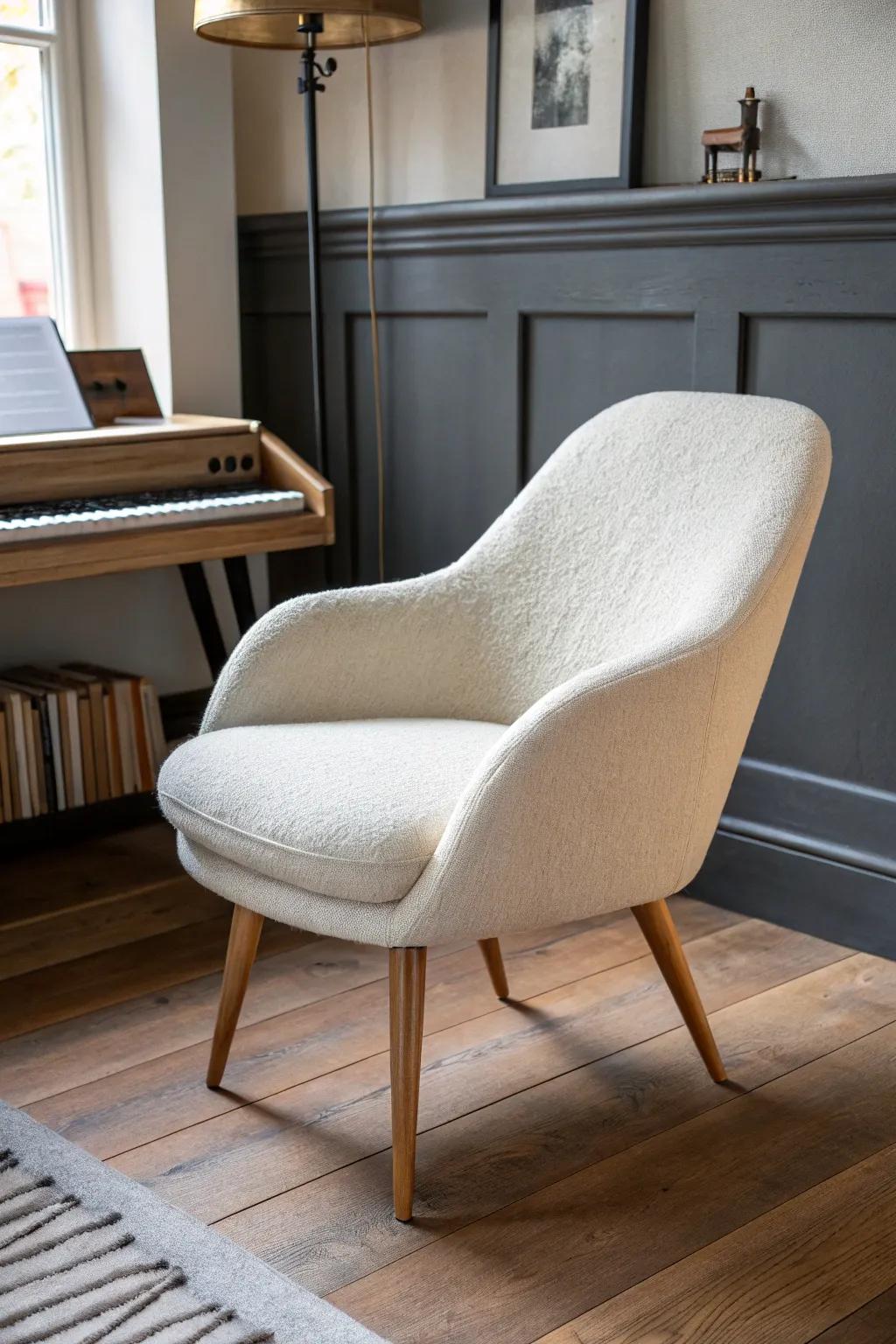
This sounds extra, but in my smallest studio I kept a separate little perch so I could sit back and just listen without staring at the computer. Having a dedicated listening spot made my tiny space feel like a real studio—and it helped me make better decisions.
Some ideas to consider:
- Mid-Century Modern Bouclé Armchair: Create a dedicated listening zone with a comfortable, stylish accent chair that fits neatly into compact spaces.
- Industrial Floor Lamp: Add focused, warm lighting to your listening corner to set a mood distinct from your bright workstation.
- Geometric Wool Area Rug: Define your listening zone visually and improve room acoustics slightly with a soft, textured area rug.