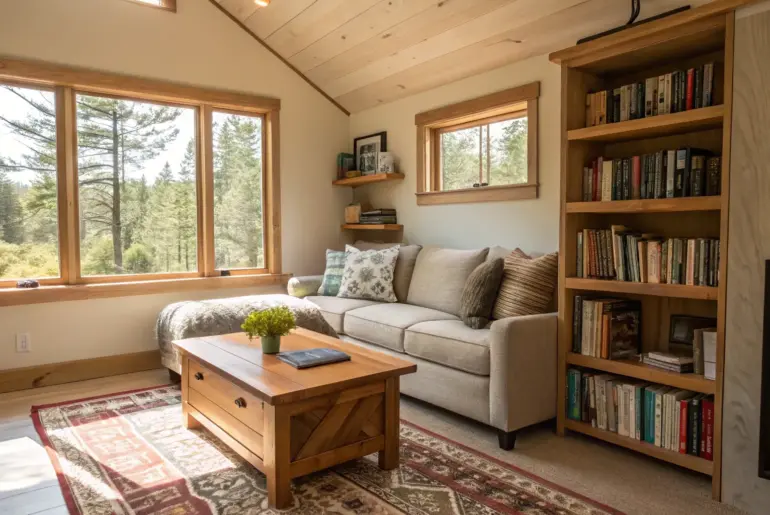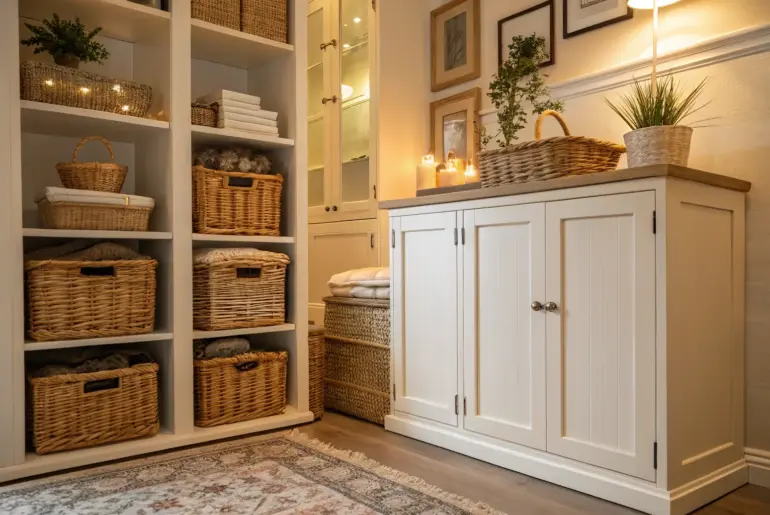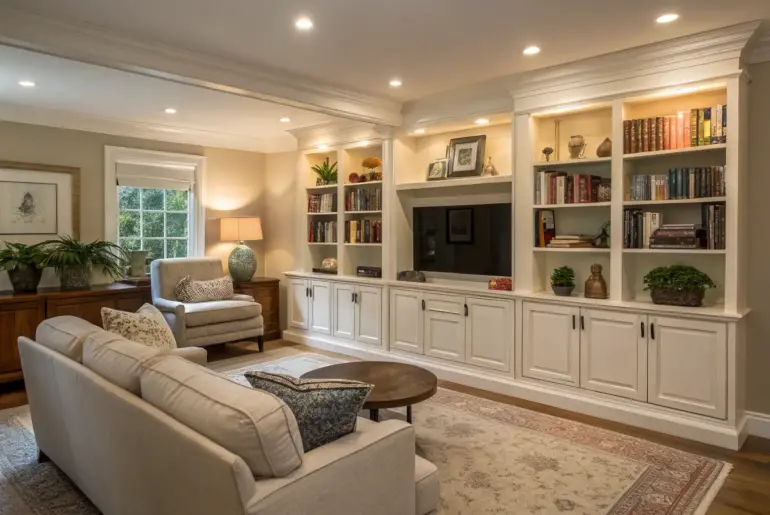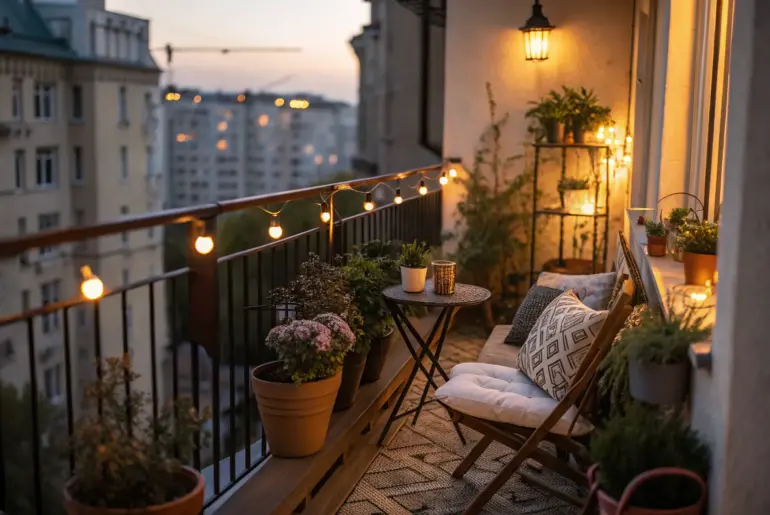
Small rooms have a quiet magic—when styled with intention, they can feel both expansive and deeply personal. “Light First” is a design philosophy that begins with illumination rather than color, layout, or materials. By understanding how light interacts with surfaces, shapes, and moods, we can transform even the smallest of spaces into something cohesive, breathable, and alive.
Seeing Light as a Design Material

In design conversations, light is often treated as a finishing touch—something added after paint or furniture decisions. In truth, it should lead the process. Light determines depth, texture, and perceived size. When you consider illumination first, you’re essentially planning how a space feels before deciding how it looks.
Light has three main dimensions to play with:
| Type of Light | Purpose | Example |
|---|---|---|
| Ambient | Overall illumination that defines volume and clarity. | Overhead fixtures, track lighting, ceiling pendants. |
| Task | Focused lighting for specific activities. | Desk lamps, under-cabinet strips, vanity sconces. |
| Accent | Adds drama or highlights focal points. | Picture lights, wall washers, LED spots behind plants or artwork. |
A small room feels balanced when at least two, ideally all three, kinds of light coexist. Layering these gently expands the spatial perception.
Start with the Light Source, Not the Layout

Most people begin designing small rooms by pushing furniture against walls to “create space.” But I’ve learned the opposite approach works better: start with how light falls, then position everything else accordingly.
Here’s a simple way to rethink your process:
- Observe natural light first. Watch where sunlight lands in the morning and afternoon. Even short daylight hours have a rhythm worth designing around.
- Map the light zones. Note the bright spots and the shadowed ones—those inform where a reading nook, desk, or calming corner might naturally emerge.
- Build your artificial lighting plan around those zones. Aim to extend or complement natural light, not overpower it.
This “light-first” mapping helps avoid harsh contrasts that can make small rooms feel disjointed.
The Science of Brightness and Perception

Light doesn’t just reveal color—it changes how we perceive size. Brighter rooms appear larger because of luminance contrast: our eyes interpret evenly lit areas as more spacious. The trick is not more light, but smarter distribution.
A few visual perception principles to remember:
- Indirect light (bouncing from walls or ceilings) softens a room’s boundaries, creating visual volume.
- Low-glare surfaces preserve comfort and prevent eye fatigue.
- Color temperature between 2700–3000 K (warm white) enhances depth and intimacy in compact homes.
- Reflective materials (mirrors, brushed metals, glossy ceramics) multiply perceived brightness without additional fixtures.
When designing a studio apartment, I once swapped a single overhead fixture for three small, indirect sources that pointed light upward and sideways. The ceiling seemed higher instantly—even though nothing structural had changed.
Light Layers: A Step-by-Step Guide
To apply the “Light First” approach in practice, follow these layers:
-
Base Layer – Ambient Foundation
Start with your general light. Ceiling pendants on a dimmer or flush mounts can evenly wash the space. Choose frosted bulbs for softness. -
Mid Layer – Task Precision
Add lighting that supports everyday habits—under-shelf light in the kitchen, a swing-arm lamp above your reading chair, or LED tape below wall cabinets. -
Top Layer – Accents and Atmosphere
Use accent lighting to direct the eye and set mood. A small uplight behind a plant, an illuminated shelf edge, or a floor lamp highlighting a textured wall can create dimension.
When balanced, these three layers give you control over mood and function at any hour.
Styling Tips for Light-Oriented Spaces

Once your light plan feels stable, allow color, material, and layout to follow. Use surfaces that play well with light instead of fighting it.
Practical styling ideas:
- Pair matte finishes with gloss accents to create controlled reflections.
- Position mirrors opposite diffuse light sources (never directly across from glare).
- Choose light, airy curtains to filter sunlight rather than block it.
- Anchor dark or visually heavy furniture in well-lit zones to neutralize their mass.
When Light Becomes the Décor
Sometimes, light itself is the most beautiful decorative element. In small rooms, sculptural or unusually placed lamps can replace art altogether. A paper lantern cluster, for instance, doubles as ambient lighting and visual poetry. Or consider LED strips tracing architectural lines—softly delineating zones without adding clutter.
The key is restraint: every new source of light should serve both function and feeling.
The Transformative Power of Light First
When I enter a small space that feels right, I almost always find thoughtful lighting. It’s never harsh, never random. It moves gently through the room like sound in a well-tuned instrument. Designing with “Light First” doesn’t require expensive fixtures—it demands awareness and patience. Once light guides your decisions, everything that follows becomes easier and more harmonious.