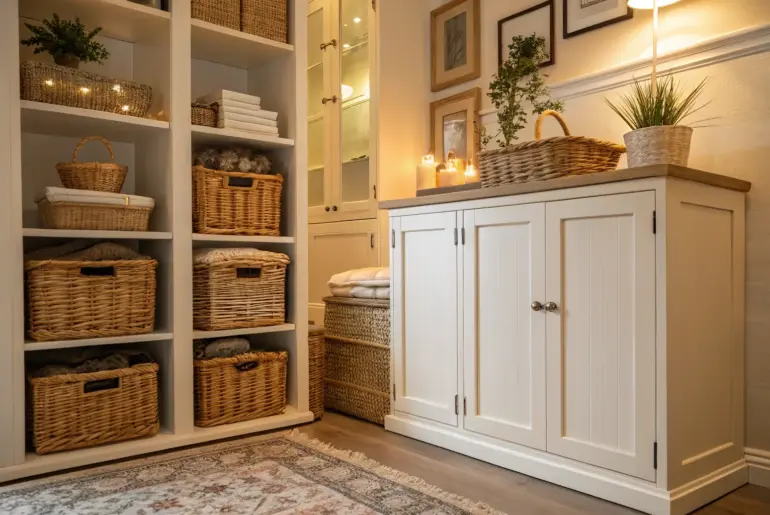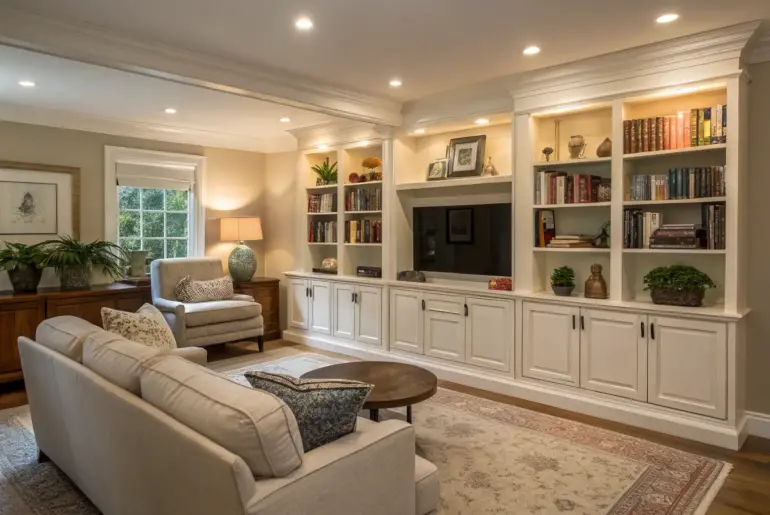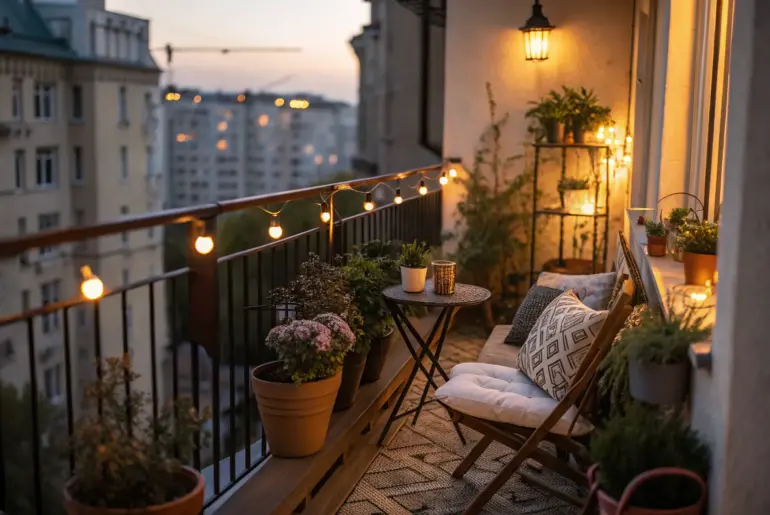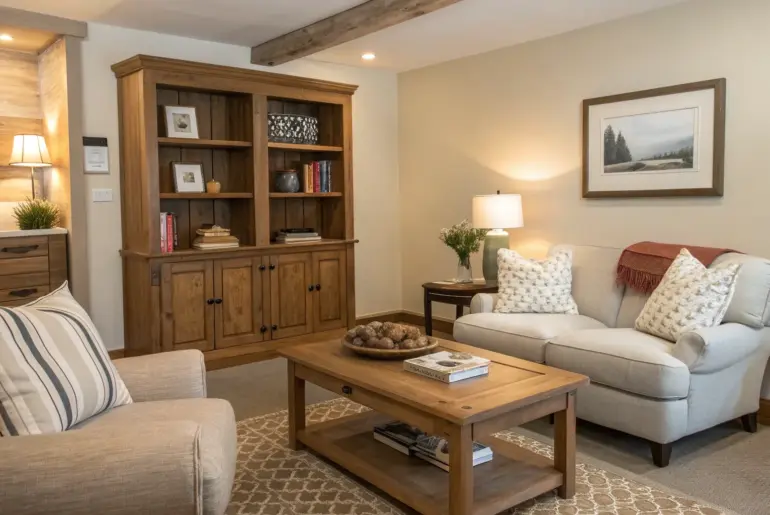
Designing a small home isn’t about limitation—it’s about precision and emotional rhythm. How every element fits, flows, and feels determines how you experience your space.
Step 1: Begin with the Structure, Not the Sofa

Before choosing colors or textiles, start with the bones of the room: the layout. In small-space design, every inch has a role to play, so the floor plan functions as both blueprint and map.
How to Approach It:
- Measure every wall, ceiling height, window, and door swing. Keep these measurements accessible.
- Sketch a scaled drawing—paper or digital—so you can test furniture positions without lifting a box.
- Identify “zones of activity”: dining, sleeping, lounging, prep. Each zone should connect naturally but remain visually distinct.
- Allow at least 30 inches for main walkways to maintain flow and comfort.
Pro tip: Orient the heaviest visual elements—like a sofa or large bookshelf—along the longest wall. This visually broadens the space and prevents visual clutter from stacking up.
Step 2: Map the Function to the Feeling

Once the footprint is defined, consider how you want to feel in each zone. Light, scale, and material affect perception far more than square footage.
| Zone | Desired Mood | Design Levers |
|---|---|---|
| Living | Relaxed, open | Diffused light, low furniture, warm neutrals |
| Kitchen | Focused yet social | Task lighting, glossy surfaces, compact stools |
| Bedroom | Calming, grounded | Soft matte finishes, layered textiles, drawn-out lines |
The goal? Let function dictate form—but tune each choice toward a sensory goal.
Step 3: Prioritize Vertical and Floating Volume

When floor area ends, go upward or under. I often treat wall height as storage potential and negative space as design play.
– Use tall shelving with alternating closed and open sections to balance storage with lightness.
– Float cabinets or desks about 8–10 inches off the floor to free visual ground area.
– Swap heavy coffee tables for nesting or C-shaped versions that slide when needed.
Design Insight: Human perception reads open base space as expanded floor area. Even 4 visible inches between furniture and floor lengthen the sense of depth.
Step 4: Set a Visual Hierarchy
Small rooms feel larger when the eye knows where to rest. Choose one dominant element—perhaps a sculptural pendant or textured accent wall—and keep other surfaces calm.
Avoid scaling all pieces down; it’s contrast that anchors the room. Pair one generously proportioned chair with lighter nesting tables, or a bold art piece with slender frames beside it.
A balanced hierarchy prevents what I call “interior noise”—a visual overload that makes small spaces feel restless.
Step 5: Color, Light, and Reflection

Light engineering is a powerful multiplier of space. Layer it:
- Ambient: Diffused ceiling or wall wash that reduces harsh contrast.
- Task: Focused lamps over surfaces where you actually work or read.
- Accent: Dimmer-based spots or LED strips to model depth.
Color sets the emotional pitch. Pale, cool undertones (misted grays, light sage, chalky cream) expand boundaries, while warm midtones wrap you in closeness. I use reflection as a “secret wall extender”—mirrors across light sources double both brightness and width.
Step 6: Embrace Texture and Silence

Small-space serenity depends on the right tactile rhythm. Instead of adding decor, refine what remains:
- Mix matte and glossy surfaces to break visual monotony.
- Layer textiles like linen, boucle, and wool in minimal palettes.
- Use acoustic fabrics, rugs, or wall panels to calm echo, which psychologically magnifies emptiness.
Restorer’s Rule: Every surface speaks. If you can feel the balance blindfolded, the design is done.
Step 7: Edit and Evolve
When the last object is placed, the real design begins—through daily living. Revisit your space monthly. Remove what blocks flow, highlight what you instinctively use.
Small homes thrive on motion rather than addition. Let your furnishings adapt—fold, roll, stack, or disappear—so your interior remains as alive as you are.