Category

Essential Guides

Category

Designing a small home isn’t about limitation—it’s about precision and emotional rhythm. How every element fits, flows, and feels determines how you experience your space. Step 1: Begin with the Structure, Not the Sofa A floor plan sketch illustrating the importance of layout in a small space. Before choosing colors or textiles, start with the bones of the room: the layout. In small-space design, every inch has a role to play, so the floor plan…
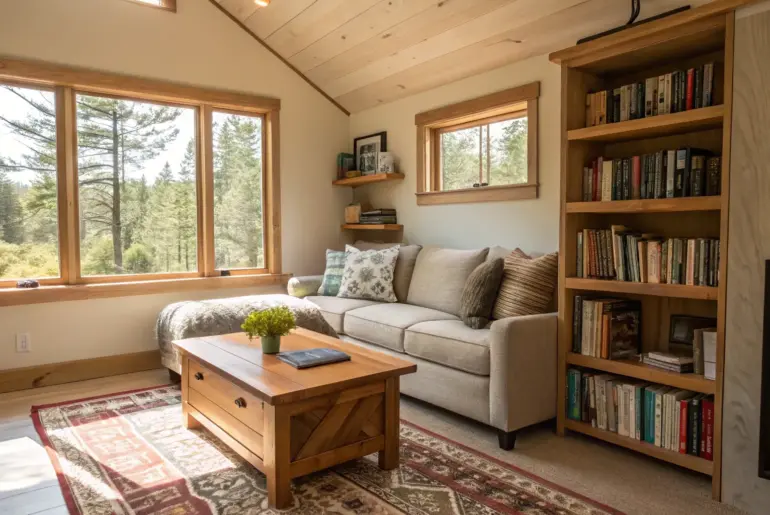
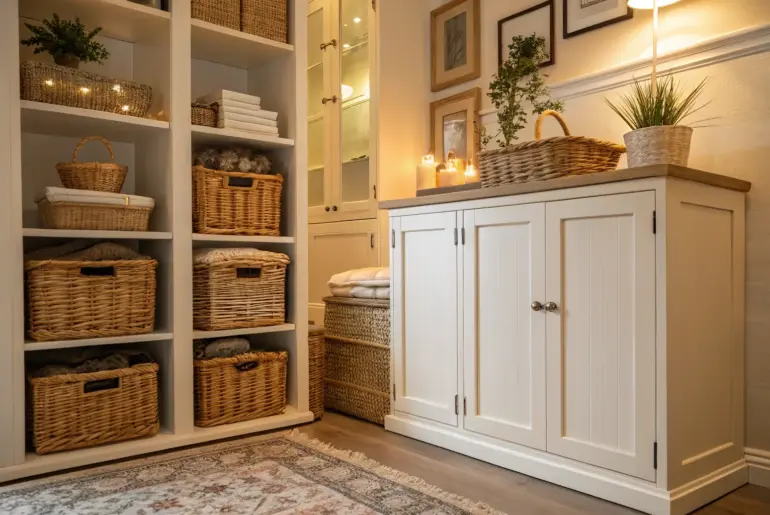
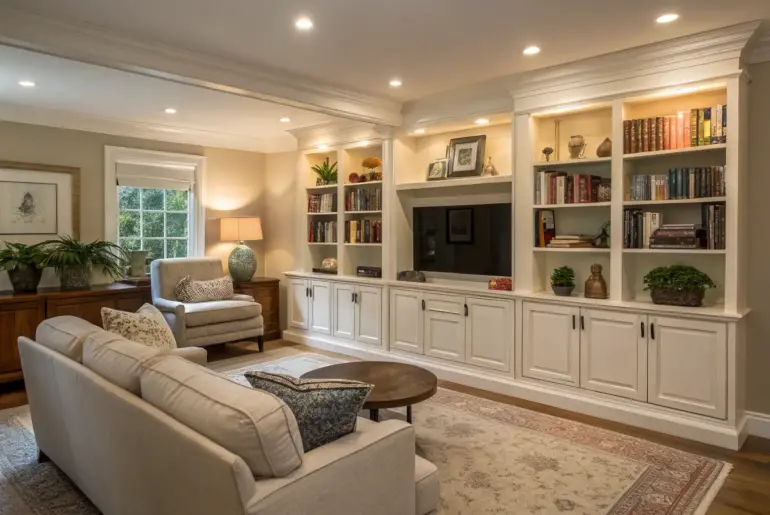
Storage is more than practicality—it defines the rhythm of a home. The balance between openness and concealment decides whether a space feels alive or serene, expressive or composed. The Psychology of Containment Open storage solutions stimulating engagement with stylish displays. Our eyes crave order but resist sterility. Every visible object contributes to a mental workload—a subtle awareness of what’s “out.” Open containers stimulate, inviting participation; closed ones soothe, enclosing the visual field. Recognizing how both…

Every serene interior hides an invisible structure beneath its calm appearance. Quiet rooms are not empty — they are intelligently organized. Planning storage like an architect means designing the hidden systems that let simplicity and comfort coexist. The Architecture of Calm Architects never design façades first — they start with structure. The same is true for interiors. When calmness feels effortless, it’s because the home’s storage systems have been built on a foundation of logic…

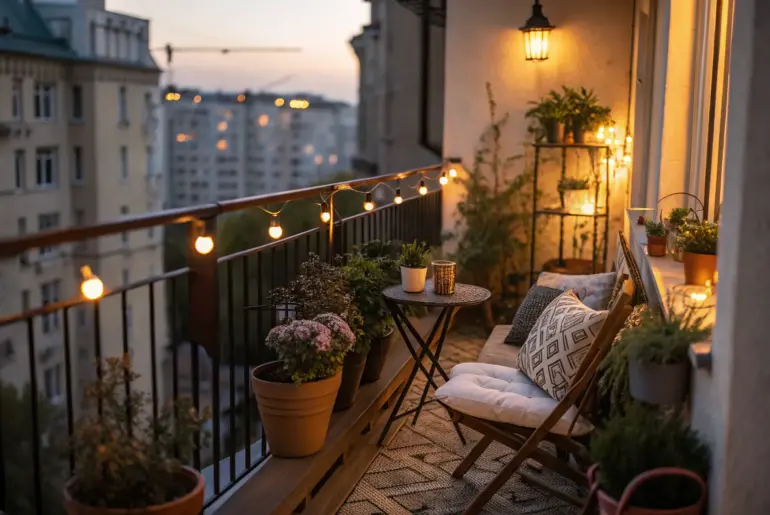
When darkness falls, even a compact balcony can shimmer with character. Thoughtful lighting turns these in-between spaces into another room of the home—one defined by mood, comfort, and quiet invitation. Understanding the Power of Light Contrasting warm and cool lights bring out the textures and moods of a small balcony. The best outdoor lighting design begins with the awareness that illumination changes perception. Light isn’t just functional—it defines how you experience scale, texture, and rhythm…

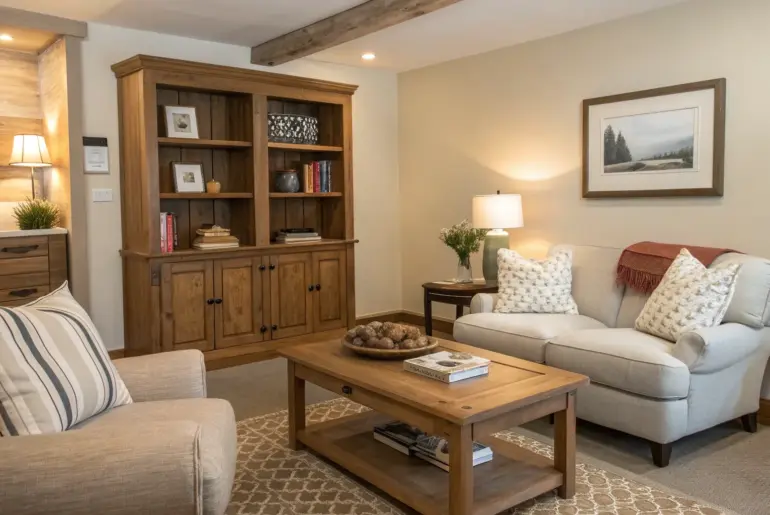
Every home is a living conversation between order and freedom. Understanding whether your natural rhythm aligns with soft order or hard order helps you create a home that’s not only beautiful but emotionally balanced. Understanding the Two Faces of Order Illustration of soft and hard order in a living room setting. Order in interiors isn’t about perfection—it’s about intention. The difference lies in how you create and maintain structure. Soft order allows space for human…

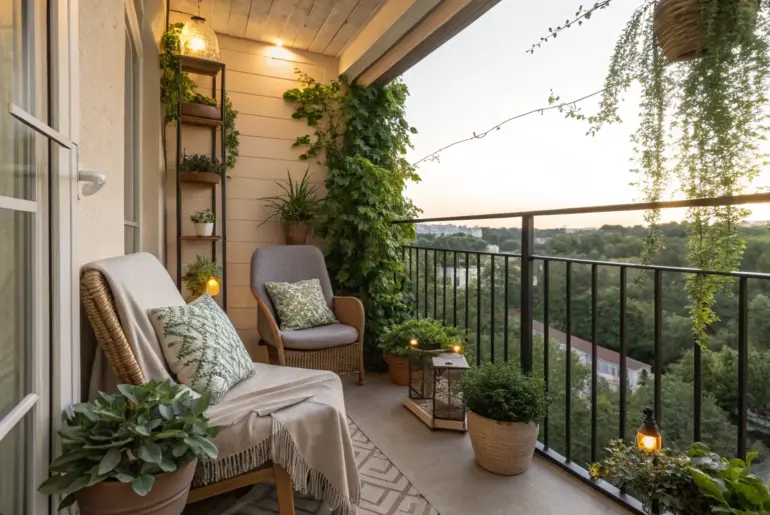
Small balconies hold enormous potential. With thoughtful styling, they can become miniature outdoor rooms—serene extensions of your living space designed for relaxation, greenery, and light. Start by Defining the Purpose Define the purpose of your balcony to guide design choices. Every design decision begins with clarity of purpose. Ask: What do I want this balcony to do? Your answer might influence every choice that follows: Morning retreat – Prioritize sunlight, soft textiles, and café-style seating.…

Every beautiful room rests on one simple principle: proportion comes before decoration. Decoration adds personality; proportion creates harmony. Without it, even the most curated interiors lose their rhythm. What Proportion Really Means in Design Proportion is the spatial logic that ensures comfort and cohesion in design. Proportion isn’t a stylistic choice—it’s the spatial logic that ensures comfort and cohesion. It’s the relationship between things: furniture to room, objects to walls, art to negative space. Get…

Small rooms have a quiet magic—when styled with intention, they can feel both expansive and deeply personal. “Light First” is a design philosophy that begins with illumination rather than color, layout, or materials. By understanding how light interacts with surfaces, shapes, and moods, we can transform even the smallest of spaces into something cohesive, breathable, and alive. Seeing Light as a Design Material Light is a primary design element that influences a room’s atmosphere and…

Outdoor spaces are living environments. Over time, sunlight, moisture, and use leave visible traces on every surface. The right materials don’t just survive that process—they evolve beautifully with it. The Philosophy of Time-Conscious Design Embracing natural aging processes in outdoor design. Designing an outdoor space that ages well begins with a mindset shift: from preservation to evolution. Instead of trying to keep everything “like new,” we can choose materials that develop character under natural conditions.…

Every home—no matter the size—holds its own weather. When we begin to observe how light moves, air circulates, and shade settles through the day, we start seeing our spaces less as static interiors and more as living systems that respond to the elements. Reading the Room: Understanding Micro Climates Indoors Indoor spaces can have multiple micro climates that influence mood and comfort. Interiors don’t have just one climate. Subtle variations in light, temperature, and humidity…