Kids’ school stuff has a sneaky way of spreading across a small home until it feels like you’re living inside a backpack. I’ve learned (the hard way) that a few dedicated zones and some simple routines can keep papers, supplies, and gear contained without turning your place into a classroom.
Use a Cube Shelf With Baskets

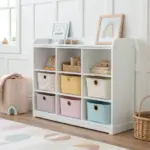
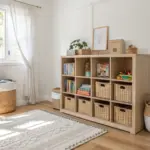
A compact cube organizer with baskets is one of the most “normal looking” ways I’ve found to store kids’ school stuff in a living room or hallway. I assign one basket per kid for library books, folders, and headphones, and it blends in like decor.
Possibly helpful picks:
- Cube Storage Organizer Shelf: Create a designated drop zone for school supplies with this versatile shelving unit that fits any room decor.
- Woven Storage Baskets: Hide clutter instantly and add texture to your space by sliding these sturdy woven bins into your shelves.
- Fabric Cube Storage Bins: Keep loose papers and smaller items contained neatly with these lightweight, easy-to-pull fabric bins for your organizer.
Create a Simple Backpack Station

In my 450 sq ft apartment, a tiny row of hooks became our backpack station, and it instantly stopped the nightly scavenger hunt. I keep one hook per kid plus one for sports bags so nothing lands on the floor.
These products might help:
- Wall-Mounted Wooden Coat Rack: Install a sturdy wooden rack to keep backpacks off the floor and organized in one convenient spot.
- Natural Canvas Backpack: Consider a durable, neutral backpack with pockets to easily store school supplies and coordinate with your entryway style.
- Key Strap Lanyard: Loop a simple lanyard onto the hook to insure house keys or ID badges are never lost again.


Use a Daily Paper Inbox

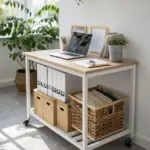
I swear by a single paper inbox near the entry where I dump everything from folders the second it comes home. When I tried letting papers roam free “just for tonight,” they multiplied like magic.
These products might be useful:
- Wooden Desktop Mail Organizer: Keep school forms and daily mail tidy by placing this stylish, open-top sorter right near your entryway.
- Floating Shelf with Edge Lip: Create a designated drop zone for permission slips and folders with this simple, secure wall-mounted ledge.
- Vertical File Holder Stand: Sort homework and artwork instantly upon arrival using this sturdy, upright storage solution for loose papers.

Go All-In on Color Coding

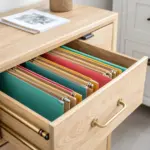
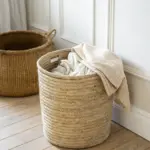
Color coding sounds extra, but in my experience it’s the fastest way for kids to self-manage their school folders. I assign each child one color for notebooks, folders, and pencil pouches, and the mix-ups dropped immediately.
Products that could assist:
- Wall Hanging File Organizer: Utilize vertical space to keep color-coded folders visible and accessible, helping reduce desk clutter efficiently.
- Color Coded File Folders: Assign a distinct hue to each child or subject to instantly streamline their daily filing routine.
- A5 Notebooks in Assorted Colors: Keep homework notes or drawings organized by color so your kids always grab the right book.
Make a Tiny Homework Station

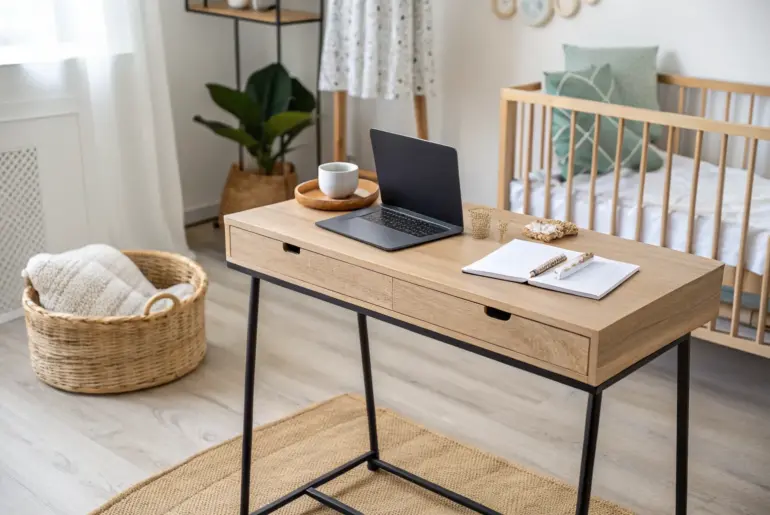
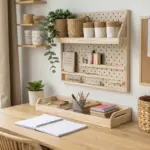
I’ve set up homework stations on everything from a narrow console to a closet desk, and the key is adding a little shelf above for supplies. When the homework spot is consistent, the “Where’s my pencil?” drama goes way down.
Consider these options:
- Wall-Mounted Drop-Leaf Desk: Transform any tight corner into a functional workspace by installing a compact, fold-down desk for daily homework.
- Desktop Pencil Cup Holder: Keep writing essentials accessible and prevent lost pencil drama by placing a simple, stylish cup on the desk.
- Small Woven Storage Bins: Organize loose supplies on shelves with textured baskets that hide clutter while adding a cozy, natural touch.
Use Clear Lidded Bins for Small Stuff

I’ve learned that tiny items (erasers, glue sticks, flashcards) need a “home,” so I group them in clear lidded bins. Being able to see what’s inside keeps me from buying duplicates when we’re rushing.
Some ideas to consider:
- Clear Latching Storage Bins: Securely store loose items like flashcards and glue sticks while keeping contents visible for quick searches.
- Small Plastic Pencil Cases: Keep smaller groups of items like pencils or crayons contained neatly within your larger storage bins.
- Adhesive Bin Labels: Label each container clearly so everyone in the family knows exactly where supplies belong and return.
Label Like You Mean It

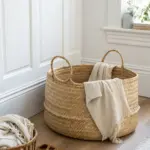
In every client home I’ve organized, labels are the difference between a system that lasts and one that collapses in a week. I use big, simple labels like “Math,” “Art,” “Returns,” and “Extra Supplies” so kids don’t need me to decode it.
A few helpful options:
- Woven Storage Baskets: Use these sturdy, aesthetically pleasing baskets to corral loose textbooks, binders, and oddly shaped school supplies easily.
- Adhesive Label Pockets: Stick these transparent pockets onto bins or baskets to swap out subject labels quickly as classes change.
- Large Print Label Maker: Create clear, easy-to-read headers for every bin so your kids never have to guess where things go.
Hang an “Items to Return” Basket

I keep a single return basket for library books, instruments, and permission slips that must go back to school. The moment I started doing this, I stopped finding overdue notices stuffed in backpacks two weeks later.
You might give these a try:
- Hanging Woven Wall Basket: Choose a sturdy, natural-fiber hanging basket to keep library books and permission slips organized and visible by the door.
- Wooden Peg Rail or Coat Rack: Install a simple wooden hook rail to easily hang your return basket and other school bags in one spot.
- Cardstock Identification Tags with String: Attach clear labels or hanging tags to your baskets so every family member knows exactly where items belong.
Create a “Mystery Items” Quarantine Bin

This sounds weird, but it works: I keep a small quarantine bin for random school items that show up (single gloves, mystery papers, stray crayons). I’ve found that collecting the chaos in one place makes it easy to sort later without derailing dinner.
A few relevant products:
- Woven Storage Basket / Bin: Choose a sturdy, stylish woven basket to contain daily clutter while keeping your entryway or living room looking neat.
- Fabric Basket Liner: Add a removable fabric liner to your basket to protect contents and create a clean surface for labeling.
- Fabric Marker Pen Set: Use permanent fabric markers to clearly label your bin liner, ensuring everyone knows exactly where stray items belong.