A hallway can be so much more than a pass-through—especially in a small home where every square foot has to work harder.
Peel-and-Stick Sensory Path Dots

In my last studio, I lined up floor dots down the hallway, and it became the easiest “follow the path” routine when I needed a quick reset. If you keep the spacing consistent, you can cue jump, step, or toe taps without adding any bulky decor.
Possibly helpful picks:
- Non-Slip Floor Dot Stickers: Create your own instant sensory path by arranging these durable, colorful dots on any smooth floor surface.
- Textured Sensory Floor Tiles: Add tactile input to your hallway with these textured mats that encourage touch and balance exploration.
- Cork Adhesive Circle Sheets: Mimic the natural look in the photo with these self-adhesive cork circles for a stylish, quiet path.
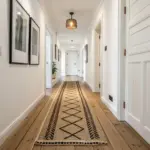
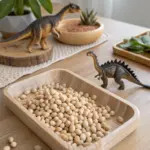
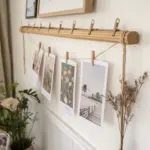

Tape Ladder for Quick Movement Breaks

I’ve made a simple tape ladder right on the hallway floor, and it’s shockingly fun for fast feet patterns when you’re feeling restless. Painter’s tape is my go-to because it’s renter-friendly and easy to redo when the edges get worn.
These products might be useful:
- Blue Painter’s Tape: Create your own floor ladder easily with this tape; it removes cleanly without damaging surfaces afterward.
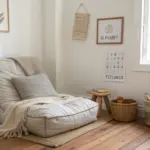
- Woven Storage Ottoman/Stool: Add a textured seating spot nearby for rest breaks or storage, similar to the one pictured.
- Decorative Blanket Ladder: Enhance your hallway aesthetic with a leaning ladder for blankets, mirroring the style shown here.
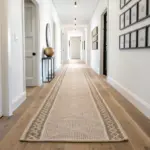
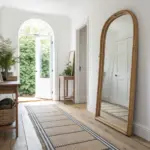
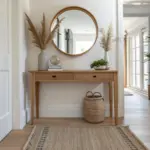
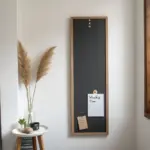
Heel-to-Toe Balance Line

When my hallway felt like a bowling alley, I added a single balance line and practiced heel-to-toe walking while waiting for coffee to brew. That one skinny stripe made the whole corridor feel intentionally “interactive” instead of just narrow.
A few relevant products:
- Heavy-Duty Vinyl Floor Tape: Create a durable, high-visibility line instantly on your floor with this tough tape designed for high-traffic areas.
- Self-Adhesive Wood Trim Molding: Install a raised, tactile balance beam effect using this flexible trim that mimics the look of real wood.
- Non-Slip Grip Tape Strips: Ensure safety while practicing balance by applying these textured, anti-slip strips directly onto your hallway floor surface.
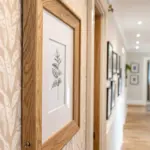



Wall Push-Up Handprint Spot

I marked a little wall push-up station with subtle hand shapes, and it became my favorite way to shake off tension before sitting back down to work. Keeping it at shoulder height makes it feel natural—like a built-in sensory break you’ll actually use.
Products that could assist:
- Handprint Wall Vinyl Decals: Create your push-up station easily by sticking these durable, visual guides on any smooth wall surface.
- Hand-Shaped Wall Silicon Pads: Enhance sensory feedback and grip during wall exercises with these textured, non-slip hand markers.
- Reusable Large Hand Stencils: Paint your own custom handprint spots in any color to perfectly match your home’s decor style.
Breathing Pause Point With Cues

I dedicated one tiny patch of wall to a breathing cue (inhale, hold, exhale), and it’s helped me stop rushing from room to room on busy days. Even a small “pause here” marker turns your hallway into a gentle self-regulation zone.
A few helpful options:
- Ceramic or Wood Wall Plaque: Instantly create your pause point with a simple, calming wall sign featuring clear mindfulness reminders.
- Dried Pampas Grass Decor: Add soft textural elements nearby to engage your sense of touch and visually soften the space.
- Large Rustic Floor Vase: Anchor your sensory corner with a sturdy, organic vessel that complements natural hallway aesthetics perfectly.
Tactile Wall Strip at Hand Height

In my 450 sq ft place, I added a narrow tactile strip along the wall—think soft-to-bumpy textures in a clean line—and I catch myself running my fingers over it constantly. It’s an easy way to add touch sensory input without sacrificing precious floor space.
These products might help:
- Flexible Wood Tambour Panel: Transform your hallway walls with this textured surface that invites touch while adding a modern, organic aesthetic.
- Textured Peel and Stick Wallpaper Border: Apply a textured border easily to create a raised, tactile experience without needing power tools or nails.
- Decorative Wood Molding Trim: Frame your tactile strip or use this molding alone to create defined, raised lines for sensory exploration.

Shoe-Off Sensory Mat Landing

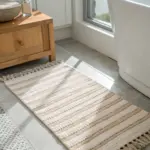
I keep a small sensory mat right inside the hallway so stepping in feels grounding instead of chaotic. A mix of textures underfoot makes the entry routine feel calmer, and it still reads as practical small space styling.
Consider these options:
- Jute Runner Rug with Texture: Choose naturally textured jute or sisal to provide grounding sensory input immediately upon entering your home.
- Woven Storage Basket: Use a sturdy woven basket to organize items while adding another layer of tactile, organic texture.
- Non-Slip Rug Pad: Ensure your sensory path stays safely in place and adds extra cushioning underfoot with this essential.
Scent Station on a Hook Rail

I hung a tiny sachet and a cedar-style scent block on my hallway hook rail, and now the space always smells fresh when I walk by. Keeping the fragrance light gives you that cozy sensory hallway vibe without it feeling overpowering.
Possibly handy products:
- Wall-Mounted Wooden Hook Rail: Install this sturdy wooden rail to create a dedicated hanging space for your favorite scent sachets or decorations.
- Linen Drawstring Sachets: Fill these breathable linen bags with dried lavender or herbs to add natural fragrance to your hallway.
- Dried Lavender Flowers: Use these fragrant dried flowers to fill your sachets and bring a calming, fresh aroma to your home.
Soft Sound With Fabric Wall Panels

My hallway used to echo like crazy, so I added a couple of fabric panels and instantly noticed less sharp noise when doors closed. That little bit of sound dampening makes the whole corridor feel more sensory-friendly and relaxing.
Explore these options:
- Fabric-Wrapped Acoustic Wall Panels: Reduce hallway echoes easily by mounting these fabric panels to soften sounds and improve sensory comfort.
- Wooden Floating Frames: Elevate the look of your acoustic panels by adding a simple wooden frame for a finished touch.
- Acoustic Linen Fabric: Create your own custom panels using breathable linen fabric designed to cover sound-absorbing materials effectively.
Motion-Safe Lighting With a Warm Glow

I swapped harsh overhead light for a warm, low hallway light that turns on easily as I pass, and it changed the mood overnight. Gentle lighting is underrated sensory design—it keeps the space soothing instead of startling.
A few things you might like:
- Wall Sconce with Fabric Shade: Add warmth to your hallway with a fabric shade sconce to diffuse light for a calming, cozy atmosphere.
- Smart Motion-Activated Light Bulbs: Upgrade existing fixtures easily with smart bulbs that illuminate automatically when movement is detected for hands-free convenience.
- Wooden Wall Paneling Kit: Replicate this natural look by installing wooden wainscoting to add texture and ground your sensory hallway design.
Mirror Check-In With a Simple Mood Scale

Next to my mirror, I keep a tiny mood check-in scale (just a few words or colors), and it’s become my “pause before you spiral” habit. It turns a basic hallway mirror moment into quick emotional regulation practice.
A few choices to try:
- Oval or Round Wooden Wall Mirror: Transform your hallway with a natural wood mirror that offers a clear reflection for your daily check-ins.
- Small Magnetic Whiteboard or Chalkboard: Use a compact board to draw or write your daily mood scale right beside your mirror reflection.
- Emotion or Mood Magnet Set: Visualise your feelings easily with colorful magnets that help you identify and track your current emotional state.
Under-Shelf Fidget Rail

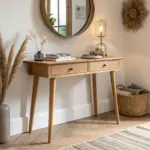
I attached a discreet fidget rail under my slim console shelf, and it’s perfect for busy hands while I’m looking for keys. This is one of my favorite stealth sensory hallway upgrades because it’s basically invisible until you need it.
Check these products out:
- Wooden Shaker Pegs (Bulk Pack): Create the tactile knobs shown in the photo by mounting these smooth wooden pegs along a rail.
- Unfinished Hardwood Strip: Use this sturdy wooden strip as the mounting base to drill and secure your sensory fidget pegs.
- Wood Glue & Mounting Screws Kit: Ensure your sensory rail stays securely attached to the wall or shelf with this essential hardware kit.
Magnetic Touch-and-Place Wall Strip

I added a narrow magnetic strip in my hallway and keep a few flat magnetic pieces there for quiet arranging and pattern-making. It’s a tidy, vertical sensory activity that works even when you have zero spare floor area.
Items that may come in handy:
- Long Narrow Magnetic Tool Bar: Install a sturdy strip on your wall to create the perfect vertical base for magnetic sensory play.
- Wooden Magnetic Tiles or Shapes: Add tactile warmth with simple geometric shapes that are perfect for quiet pattern-making and arranging.
- Neutral Tone Magnets: Choose calming colors like beige and terracotta to keep the hallway looking stylish while engaging fingers.
Nature Footprints Trail

I once tried a footprints trail (like animal steps) and loved how it nudged me to change pace—big steps, tiny steps, sideways steps—without thinking. It’s playful, but it still looks stylish when you keep the colors cohesive for a grown-up home hallway.
Useful items to consider:
- Runner Rug with Animal Prints: Add instant playful movement to your hallway while protecting your floors with a themed runner rug.
- Paw Print Floor Decals: Create a custom walking path easily by sticking these removable decals anywhere along your hallway floor.
- Animal Track Stencils: Design a permanent or temporary trail yourself using these stencils and your choice of floor-safe paint.
Ceiling Brush Path With Hanging Ribbons

This one surprised me: I hung a slim row of soft ribbons near the ceiling edge, and walking under them gives a gentle “brushing” sensation without cluttering the walls. It’s a fun tactile sensory hallway moment that feels almost like walking through an art install.
Check if these fit your needs:
- Satin & Grosgrain Ribbon Spools: Choose various textures and colors to create a visually engaging and soft tactile experience for sensory seekers.
- Wooden Handrail or Dowel Kit: Install a sturdy wooden rail along your hallway wall to securely hold your sensory ribbons in place.
- Heavy-Duty Mounting Brackets: Use strong metal brackets to ensure your ribbon rail stays firmly attached to the wall during use.
Spin Spot Circle for Quick Reset

In my narrow hallway, I marked a small spin spot circle near the widest point, and a single slow turn helps me shake off that pent-up energy. Keeping it intentional (one circle, one cue) makes the movement break feel contained, not chaotic.
May just do the trick:
- Round Jute Rug: Designate your calming spin zone with a durable, textured rug that helps ground your movement practice visually.
- Non-Slip Rug Pad: Ensure your spin circle stays safely and firmly in place on hardwood floors during active movement breaks.
- Sensory Balance Disc: Add a focused balance challenge to your hallway routine by placing this discreet cushion on your rug.
Wall-Mounted Sound Tube Corner

I mounted a simple sound tube (a gentle shaker-style instrument) on the wall, and it’s become my favorite “one-minute reset” when I’m overstimulated. It adds a surprising auditory sensory element without turning your hallway into a noisy zone.
Might be a good match:
- Bamboo Rain Stick Shaker: Hang this natural instrument to create soothing auditory textures and calm your senses during brief hallway resets.
- Brass Wall Ring Hardware: Secure your sensory instruments elegantly with this durable hardware, perfect for keeping items accessible yet tidy.
- Small Leather Hanging Cord: Use strong, natural cord to safely suspend sound tubes or shakers from your mounted wall hooks.