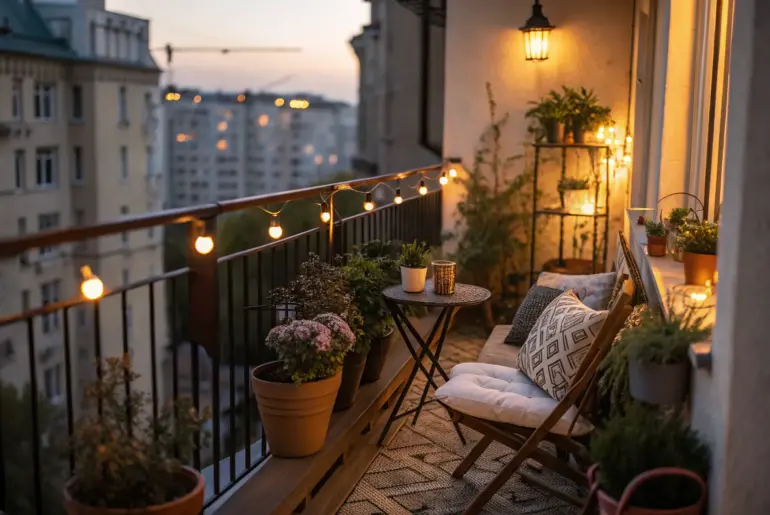
Outdoor spaces are living environments. Over time, sunlight, moisture, and use leave visible traces on every surface. The right materials don’t just survive that process—they evolve beautifully with it.
The Philosophy of Time-Conscious Design

Designing an outdoor space that ages well begins with a mindset shift: from preservation to evolution. Instead of trying to keep everything “like new,” we can choose materials that develop character under natural conditions.
This approach is rooted in both science and aesthetics. Sunlight triggers oxidization, moisture nurtures patina, and surface wear deepens texture. When planned intentionally, these processes add visual depth and emotional warmth. The result is not deterioration, but transformation—spaces that feel more authentic as they mature.
Stone: Endurance in Texture and Time

Few materials embody timelessness like stone. It’s inherently durable, yet never static. Rain erodes high points; lichens soften color. In other words, it wears its history beautifully.
Stones that weather gracefully:
| Stone Type | Aesthetic Over Time | Ideal Application |
|---|---|---|
| Bluestone | Develops deeper grays and slight iridescence | Pool coping, garden paths |
| Limestone | Lightens subtly; edges round off over years | Patios, retaining walls |
| Granite | Keeps structure; gains delicate mineral veining | Steps, benches, countertops |
| Travertine | Porous texture becomes warmer and more tactile | Courtyards, low walls |
Design insight:
Transitioning material texture across zones creates a narrative of aging. For example, a smooth limestone area near the door can flow into rougher bluestone toward the garden—suggesting a gradual shift from the built to the natural world.
Care tip:
Avoid harsh chemical cleaners. They strip micro-layer patina that protects the stone. Gentle rinsing and periodic sealing allow stones to breathe and age evenly.
Wood: Letting Life Leave Its Mark

Wood is perhaps the most responsive outdoor material—it darkens, silvers, shrinks, and swells. Rather than fighting those movements, you can incorporate them into your aesthetic plan.
Best-performing woods for longevity:
| Wood | How It Ages | Finish Options |
|---|---|---|
| Teak | Fades to soft silver; naturally oily | Leave raw for authentic patina; oil for warmth |
| Cedar | Evens into pearly gray, resists rot | Light oil finish every 1–2 years |
| Ipe | Retains strength even unsealed | Periodic cleaning only |
| White oak | Gains depth of tone; suits rustic aesthetics | Matte sealant or wax |
Aging wood tells a story of climate and care. I once built a dining deck with cedar planks that shifted tone differently depending on their sun exposure. The resulting mosaic-like surface looked intentional, not uneven—it held the memory of every summer.
Three practical tips for wood in outdoor spaces:
1. Favor larger boards with visible grain—the pattern stays beautiful even after bleaching.
2. Apply finishes with a rag, not a brush, for a softer, less “coated” look.
3. Allow gaps for drainage between planks; trapped moisture accelerates decay.
Metal: The Expressive Power of Weathering

Metals behave dramatically outdoors. They transform not just in color but in temperature, texture, and reflectivity. A polished copper panel in spring may look completely different by fall.
How popular metals transform:
- Corten steel: Forms a self-protective rust barrier that stabilizes after the first season. It’s ideal for garden edging, sculpture, or fire features.
- Zinc: Moves through silver to graphite-gray. When it finally settles, its matte tone suits sleek, minimal layouts.
- Copper: Begins golden, shifts to deep brown, then sea-green. Its high conductivity also makes it valuable near fireplaces.
- Galvanized steel: Gains light mottling but resists deep corrosion—great for containers or fences.
Design application:
Layer different metal finishes—like pairing a weathered Corten planter with black zinc railings—to give depth without visual heaviness.
Cautionary note:
Metals “bleed.” Runoff from rusting surfaces may stain stone or decking below. Always design with intentional drainage and contrast zones.
Concrete: Imperfection as Aesthetic Strategy

Concrete bridges architecture and landscape better than almost any other material. Its change comes subtly—through micro-cracks, surface bloom, and color migration.
Why concrete ages well:
- It maintains structure even as its finish softens.
- Environmental exposure deepens pigment variations, mimicking natural stone.
- Its small irregularities tell the story of how it was poured and used.
Uses that emphasize longevity:
- Bench bases and plinths: visually grounding elements that can bear time’s marks.
- Patio panels: where mild discoloration enhances the feeling of place.
- Planters: that gain water rings and moss patterns over years.
Maintenance insight:
Rinse seasonally, but resist over-sealing. The charm lies in concrete’s evolving surface, not in perfection. When staining occurs, light acid washing (by professionals) restores balance without sterilizing the look.
Complementary Elements: Finishes, Fabrics, and Microdetails
Even accessories contribute to how a space ages. Choosing the right supporting materials ensures a cohesive, inclusive patina across the environment.
Elements that improve with measured wear:
- Textiles: Solution-dyed acrylic or recycled polyester retain fibers while fading into softer hues. Store cushions off-season to equalize fading.
- Ceramics: Terracotta and glazed tiles develop hairline “crazing,” giving them antique character.
- Natural fibers: Outdoor sisal or hemp rugs benefit from gentle weathering but should dry fully between rains.
- Glass: Frosted or textured glass conceals minor corrosion better than clear panes.
Styling advice:
Alternate between exposed and sheltered zones. Let fabric or terracotta pieces live partly under eaves to create gradient aging—a natural rhythm between sun and shade.
Designing a Space That Grows With You
Think of your outdoor design as a timeline, not a static layout. Every choice influences its future form.
How to design with time in mind:
1. Predict the patina. Sketch how each material’s tone shifts through the seasons.
2. Balance permanence and change. Anchor with stone or concrete, then layer in transient materials like wood or linen.
3. Design for airflow and water flow. Moisture accelerates aging—sometimes beautifully, sometimes destructively.
4. Create annual rituals. A spring oiling day or autumn rinse keeps maintenance meaningful, not mechanical.
5. Celebrate impermanence. A sun-faded bench or slightly stained planter can signal life, not neglect.
Emotional Longevity: When Spaces Mature With Us
A well-aging space quietly syncs with the rhythm of its owners. Over years, a handrail smooths from touch, stone warms to the foot, metal deepens to a quiet matte. These are not flaws—they’re evidence of moments lived outdoors.
Designing with aging in mind isn’t only practical; it’s emotional. It connects human time with material time. When you sit on a weathered patio that looks better than the day it was built, you’re seeing the true reward of patience: design that grows up beautifully.