A well-organized bookshelf can make even a tiny apartment feel calmer and more intentional. I’ve reorganized my shelves more times than I can count, and the sweet spot is always the same: easy-to-find books plus curated styling that doesn’t scream clutter.
Keep Daily-Use Books at Eye Level

In every apartment I’ve lived in, the bookshelf stays tidier when frequently used books live at eye level and the “someday” books go higher or lower. I do this with my cookbooks and references so they don’t end up stacked on the counter.
Items that may come in handy:
- Minimalist Bookends: Keep your most-used volumes upright and accessible without cluttering your eye-level shelves with heavy dividers.
- Small Decorative Storage Basket: Corral loose items like bookmarks or reading glasses right next to your favorites for easy access.
- Leaning Picture Frame: Break up the density of books at eye level by layering in personal art or motivational prints.
Group Books by Genre

In my small living room, grouping by genre sections is the fastest way I’ve found to keep my bookshelf functional without overthinking it. I like giving each genre its own shelf or cube so I can grab what I’m in the mood for without tearing everything apart.
Possibly handy products:
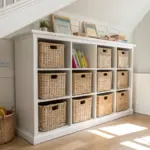
- Small Bookshelf Cube Storage: Organize your favorite reads by genre easily with compact cube storage that fits perfectly in small spaces.
- Clip-On Shelf Labels: Mark your genre sections clearly with clip-on label holders to keep your collection sorted and accessible.
- Minimalist Bookends: Keep paperbacks upright and orderly within their genre groups using simple bookends that save valuable shelf space.
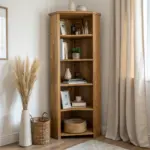
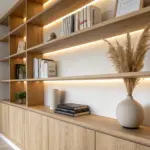

Alphabetize by Author

When my collection grew, I switched to alphabetical order by author last name and it immediately felt more “library” than “pile.” I still do this on my main bookshelf because it saves me from that annoying scavenger hunt every time I want a specific book.
Try these:
- Wooden Book Dividers: Keep your collection organized and accessible with simple dividers that delineate authors without cluttering your natural shelf aesthetic.
- Minimalist Label Maker: Create clean, uniform labels for your dividers or shelves to quickly scan for authors’ names while sorting.
- Natural Wood Bookends: Support your newly organized sections securely with sturdy, neutral bookends that perfectly complement a cozy, organic interior style.
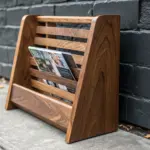
Arrange by Spine Color

If you’re more visual like me, color blocking makes a bookshelf look styled even before you add decor. I tried a soft gradient once in my studio, and it made the whole wall feel like intentional design instead of storage.
These products might help:
- Decorative Book Sets by Color: Curate an instant gradient on your shelves with pre-selected book bundles available in specific color palettes.
- Mid-Century Modern Bookshelf: Showcase your color-coordinated collection on a light wood shelving unit with clean lines and tapered legs.
- Book Covers or Dust Jackets: Transform your existing mismatched collection into a cohesive display using color-coordinated covers or decorative paper.
Group by Book Size

Whenever my shelves start looking chaotic, I reset them by book height and book size so the lines look cleaner. In my 450 sq ft apartment, that simple tweak made my shelves feel instantly less busy.
A few choices to try:
- Minimalist Metal Bookends: Keep your newly sorted and sized book collections upright and tidy with these sleek, unobtrusive supports.
- Decorative Ceramic Vase: Break up the visual weight of large book groups by adding a sculptural, colorful ceramic accent piece.
- Adjustable Shelf Organizers: Maximize vertical space within tall shelves by adding risers to stack shorter paperback books effectively.
Mix Vertical and Horizontal Stacks

I always mix upright rows with a few horizontal stacks because it breaks up the “wall of spines” look. The stacked books also double as little platforms for small decor, which I rely on in tight spaces.
You might like:
- Decorative Bookends: Keep your vertical rows tidy and prevent them from falling over while adding a stylish accent to shelves.
- Small Artificial Potted Plants: Place these atop your horizontal book stacks to add a touch of greenery and life to displays.
- Ceramic Objects or Vases: Use sculptural vases as toppers for stacked books to break up straight lines and add visual interest.

Leave Breathing Room on Each Shelf

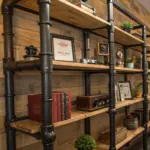
The biggest shift for me was realizing a pretty bookshelf needs negative space—a little emptiness on purpose. I now stop filling a shelf once it looks full, not once it’s physically full.
A few helpful options:
- Minimalist Ceramic Vases: Add style without cluttering your space by choosing simple, sculptural vases that serve as elegant visual anchors.
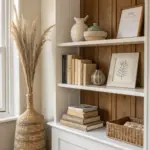
- Decorative Dried Grass Stems: Introduce natural texture and height to your shelves using dried botanicals that look airy and organic.
- Decorative Bookends: Keep your carefully selected book stacks tidy and upright with sleek bookends that maintain clean, open lines.
Use Bookends to Create Zones

I use bookends like shelf “walls” to keep smaller groups from flopping over and looking messy. In my narrow bookcase, this also lets me create tidy mini-sections without adding extra dividers.
Products that could assist:
- Wooden Bookends: Keep your favorite reads upright and organized with natural wood supports that add warmth to any shelf.
- Woven Storage Basket: Tuck away loose items or magazines below your books for a cleaner, more organized visual aesthetic.
- Dried Pampas Grass Decor: Add height and soft texture next to your organized book zones for a balanced, stylish display.
Create a Dedicated TBR Shelf

I keep a clear TBR shelf (to-be-read) so new books don’t slowly invade every inch of my bookshelf. When I did this, I stopped buying duplicates because I could finally see what I already owned.
Maybe worth checking out:
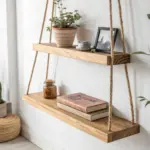
- Floating Wooden Shelf: Instantly create a dedicated spot for your next reads with a minimalist shelf that keeps titles visible.
- Minimalist Bookends: Keep your to-be-read pile neat and upright with simple, sturdy supports that blend into any decor style.
- Ceramic Bud Vase: Add a touch of personality to your reading nook by styling your shelf with a small, textured vase.
Adjust Shelf Height to Reduce Wasted Space

If your shelves are adjustable, I swear by customizing the spacing so there’s less dead air above books and fewer awkward gaps. I did this on my own bookshelf and suddenly fit more books without it looking crammed.
May just do the trick:
- Replacement Shelf Support Pegs: Upgrade unstable shelves with sturdy new pegs to safely customize spacing and maximize your vertical storage potential.
- Small bubble level tool: Ensure your newly adjusted shelves sit perfectly straight and balanced by checking them with this handy tool.
- Rubber Mallet for Furniture: Gently tap stuck shelves or tight-fitting pegs into their new positions without damaging your beautiful wood finish.
Double-Row Books Without Losing Titles

When I had more books than space, I set a back row on a riser and kept a front row at normal height for a clean two-row setup. I’ve found it’s the only way to “store more” on a bookshelf without forgetting what you own.
These products might be useful:
- Acrylic Shelf Risers: Create instant elevation for your back row of books, keeping titles visible while maximizing shelf depth.
- Wooden Display Step Platform: Add warmth and tiered height to your shelves, perfect for stacking paperback collections clearly.
- Expandable Spice or Pantry Organizer: Utilize expandable stair-step organizers to customize the width and easily create varied book heights.
Corral Thin Books in Upright Holders

Slim paperbacks, journals, and notebooks love to slouch, so I stand them in upright holders to keep the bookshelf looking crisp. I started doing this after my travel journals kept sliding into a messy diagonal pile.
You might give these a try:
- Desktop Book Stand: Keep your favorite daily reads organized and accessible on your desk with this simple, tilted display solution.
- Heavy-Duty Wooden Bookends: Prevent thin paperbacks from slouching by securing them tightly with these simple, sturdy wooden supports.
- Vertical File Organizer: Sort multiple slim notebooks or magazines easily using this upright sorter to maintain a tidy shelf appearance.
Use Plants as Soft Dividers

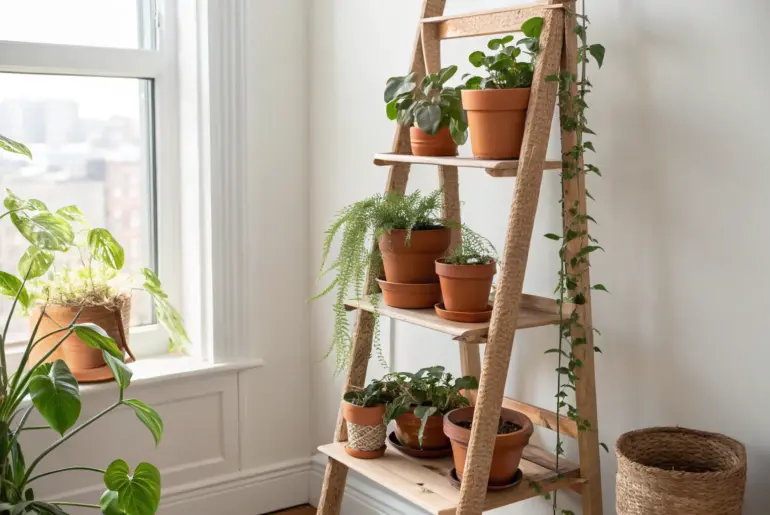
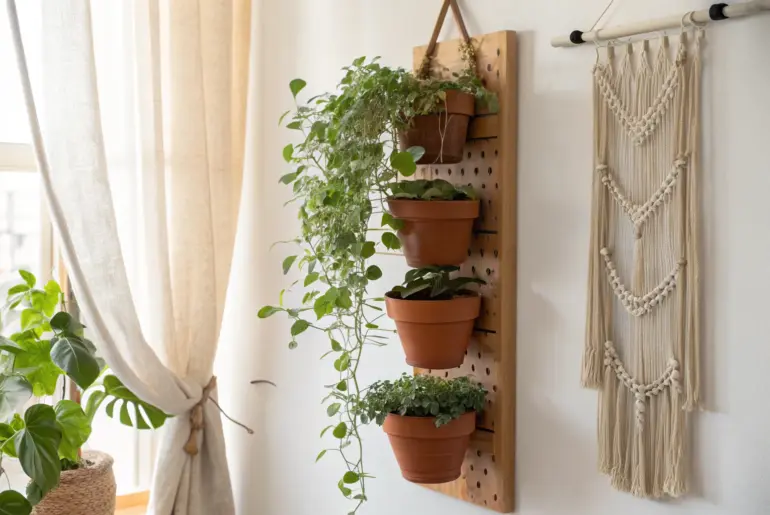
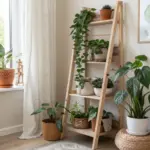
A small potted plant or trailing greenery works like a gentle “pause” between book groups, and it keeps a bookshelf from feeling too rigid. I’ve used this in tiny spaces to make shelves feel cozy without adding more clutter.
Useful items to consider:
- Terra Cotta Plant Pots with Saucer: Add warmth to your shelves with these classic clay pots that provide excellent drainage for healthy plant roots.
- Live Trailing Vines (String of Hearts): Introduce organic movement by placing these cascading live plants between sturdy book ends or stacks of novels.
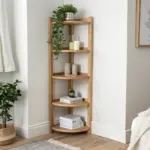
- Minimalist Wooden Ladder Bookshelf: Display your greenery and books openly on a sleek, tiered ladder shelf to maximize vertical storage space.
Add a Tension Rod to Stop Deep-Shelf Drift

In one awkward deep bookshelf, my books kept sliding back and turning into a messy cave, so I added a simple tension rod a few inches from the front edge. It acted like an invisible barrier, and my shelves finally stayed lined up after I pulled books in and out.
Explore these options:
- Small Spring Tension Rods: Instantly create a backstop for your books without tools; simply twist to fit your shelf’s specific width.
- Adjustable Closet Rod Sockets: Secure a more permanent barrier by mounting these sockets to hold a wooden dowel or metal rod firmly.
- Non-Slip Shelf Liners: Pair a liner with your rod to add extra friction, helping books stand upright and stay in place.