A great kids bedroom layout isn’t about having more space—it’s about making the space you have work harder for sleep, play, and storage. I’ve lived (and designed) my way through plenty of tight rooms, and these ideas are the ones I keep coming back to when a kids room needs to feel calm, fun, and functional.
Try a Loft Bed Work Zone

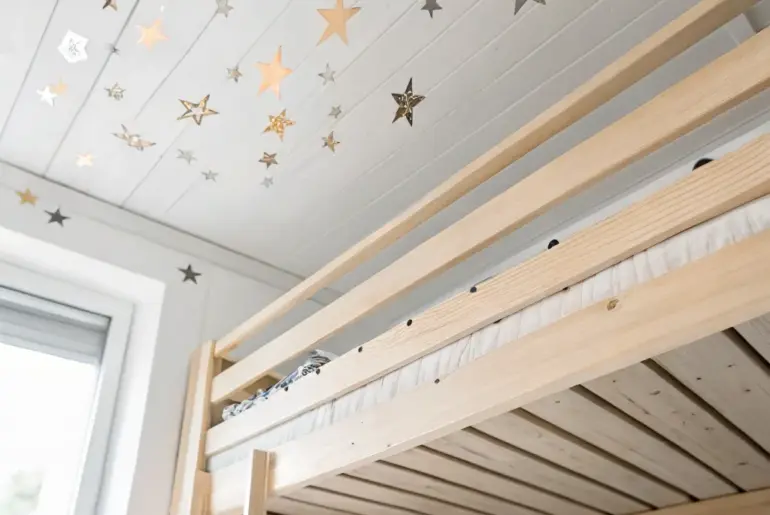
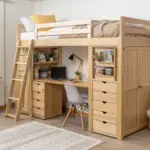
A loft bed layout lets you tuck a small desk or toy storage underneath without stealing floor space. I’ve installed this approach in tight rooms, and kids love having their own little “base” under the bed.
Consider these options:
- Wooden Loft Bed Frame: Create a vertical sleeping solution to maximize floor space and open up room for a dedicated study area underneath.
- Woven Desk Chair: Add texture and comfort to the study zone with a natural-style chair that complements wooden furniture perfectly.
- Macrame Wall Hanging: Soften the look of the loft structure and add a cozy, bohemian touch to the bedroom decor easily.
Create Three Simple Zones

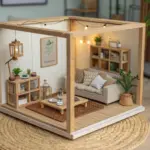
I always start by mapping a sleep zone, play zone, and get-ready zone, even if they’re tiny, because it instantly makes the room feel intentional. In my own small-space setups, just assigning “where each activity lives” cut clutter and kid-chaos fast.
Useful items to consider:
- Hanging Wall Organizer with Pockets: Sort daily items into dedicated spots to help kids visualize their routine and keep essentials tidy.
- Small Wall Hooks or Knobs: Install simple hooks near your zones to hang organizers, outfits, or specific activity bags easily.
- Small Fabric Storage Pouches: Use labeled hanging pouches to store bedtime comforters or pajamas directly in the sleep zone.

Push the Bed Into a Corner

For small kids bedrooms, I’ve had the best luck with a corner bed layout since it opens up a bigger rectangle of floor for play. I’ve done this in narrow rooms and it always makes the center feel way less cramped.
A few choices to try:
- Daybed with Trundle or Storage: Maximize utility in the corner spot with a daybed frame that offers extra sleeping space or drawers.
- Corner Wall Decor or Hanging Tapestry: Softize the look of the corner walls and add texture with a beautiful macrame hanging or artwork.
- Plush Area Rug: Define the open floor space created by the bed position with a soft, textured rug for playtime.
Float the Bed for Easier Flow

If the room allows it, I sometimes pull the bed slightly off the wall to create a clean walkway and make changing sheets less of a wrestling match. I used this layout in a kid’s room with an awkward door swing, and it fixed the daily traffic jam instantly.
These products might help:
- Solid Wood Twin Bed Frame: Choose a sturdy, freestanding wooden bed frame that looks great even when positioned away from the walls.
- Non-Slip Area Rug: Anchor the floating bed visually and prevent slipping with a soft, durable area rug placed underneath.
- Compact Nightstand with Drawers: Place a small bedside table next to the floating bed to provide storage without blocking the walkway.
Choose a Daybed-Style Wall Setup

A daybed layout along one wall gives you a bed that also reads like seating, which makes the room feel more like a hangout space. I’ve styled this for kids who love reading, and it’s the easiest way to get “bed plus couch” in one footprint.
These products might be useful:
- Minimalist Wooden Daybed Frame: Create a cozy reading nook and sleeping area with a simple frame that transforms easily from bed to sofa.
- Rust/Terracotta Throw Blanket: Add warmth and texture to the daybed setup with a colorful throw that invites kids to snuggle up.
- Woven Storage Basket: Keep the room tidy by storing extra pillows or blankets in a large, stylish natural fiber basket nearby.
Add a Trundle for Sleepovers

When families want flexibility, I’ll plan a trundle bed layout so an extra mattress slides out only when needed. I’ve used this in tiny shared rooms and it keeps the everyday layout open while still being guest-ready.
A few helpful options:
- Daybed with Trundle: Maximize bedroom space with a versatile bed frame that hides an extra mattress for sleepovers instantly.
- Textured Throw Blanket: Layer a cozy, knitted throw over the bed to add warmth and softness for daytime lounging.
- Macrame Wall Hanging: Complete the relaxed, bohemian look by hanging a natural fiber art piece on the wall nearby.
Go Up With Bunk Beds

In shared kids bedrooms, I’m a big fan of a bunk bed layout because it frees up a whole wall for storage or desks. I’ve watched this change the vibe from “packed” to “playable” overnight.
Products that could assist:
- Solid Wood Twin Bunk Bed with Ladder: Maximize your floor space with a sturdy, classic wooden bunk bed frame perfect for shared rooms.
- Rust-Colored Throw Blanket: Add a cozy, decorative touch to the lower bunk with a soft textured throw blanket.
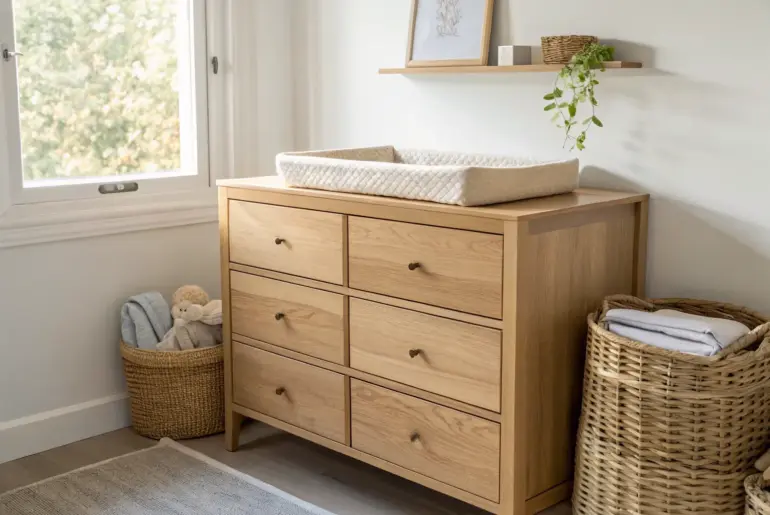
- Modern White 3-Drawer Chest: Utilize the extra wall space gained by the bunk beds with a compact, modern storage chest.
Use Under-Bed Storage Lanes

I like to treat the space under the bed like a planned storage zone, leaving clear “lanes” so bins slide in and out easily. In my own apartment, this layout trick saved me from needing an extra dresser.
May just do the trick:
- Fabric Under-Bed Storage Bin with Divider: Organize clothes or toys efficiently with these divided bins that slide easily under most bed frames.
- Natural Woven Storage Basket: Keep frequently used items accessible and tidy by placing a beautiful woven basket near the bed.
- Cotton Area Rug for Grip: Add comfort and stop storage bins from sliding too fast with a textured cotton area rug.
Place Low Cubbies Near the Play Area

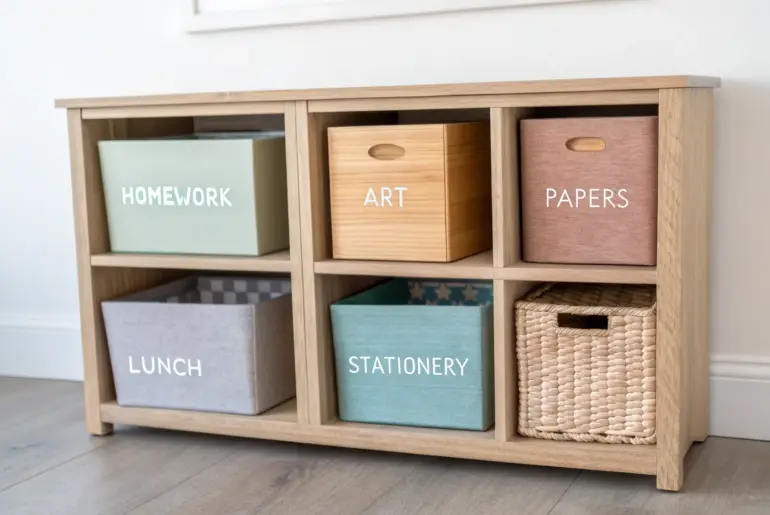
A kids bedroom layout works better when low cubby storage sits right where play happens, not across the room. I’ve seen kids actually tidy up more when the “put-away spot” is one step away.
Some handy options:
- Wooden Toy Storage Cubby: Keep toys organized and accessible with a stylish, low-profile storage unit designed for easy reach.
- Woven Storage Baskets: Tidy up clutter quickly by placing toys into these natural, textured baskets that fit perfectly in shelves.
- Minimalist Wall Art Frame: Add a finishing touch to the play corner with a simple wooden frame for artwork or prints.
Make a Micro Desk Nook

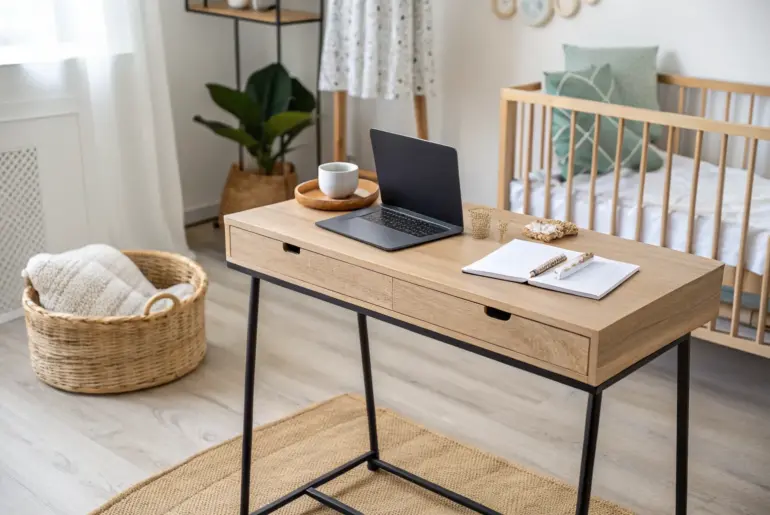
I usually carve out a homework nook by placing a slim desk on the quietest wall, ideally away from the bed. In rooms I’ve organized, this simple placement helps kids focus because the desk feels like its own mini-zone.
A few relevant products:
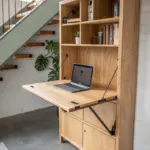
- Compact Wooden Secretary Desk: Create a dedicated study zone with this space-saving desk featuring built-in organizers for neat supplies.
- Woven Storage Ottoman Stool: Add flexible seating that doubles as hidden storage to keep the nook tidy and stylish.
- Ceramic Pencil Holder Cup: Keep essential writing tools within easy reach while adding a textured decorative touch to the desktop.
Remove Closet Doors for Breathing Room

A kids bedroom can feel larger when you ditch swinging closet doors and keep the opening clear as part of the layout. I’ve tried this in compact spaces, and it makes morning routines smoother because nothing blocks the walkway.
A few things you might like:
- Woven Storage Baskets: Keep open shelving tidy and hide clutter by organizing toys or clothes in stylish, natural woven baskets.
- Wooden Clothes Hangers: Create a cohesive, boutique look in your open closet by swapping mismatched plastic hangers for uniform wooden ones.
- Closet Tension Rod: Easily add extra hanging space inside existing nooks or wardrobes without needing permanent hardware or complex installation.
Build a Reading Corner Layout

I love placing a small chair or cushion pile in a corner to create a reading nook, then anchoring it with a tiny shelf nearby. In my experience, giving books their own “home” makes the whole kids bedroom layout feel calmer.
Items that may come in handy:
- Mid-Century Modern Armchair: Choose a cozy, low-profile accent chair to create an inviting and comfortable spot for reading together.
- Knitted Throw Blanket: Add texture and warmth with a soft knitted throw, perfect for snuggling up during story time.
- Floating Wall Shelves: Install simple white floating shelves to display favorite books and keep the reading nook organized and tidy.
Use Rugs to Define the Play Zone

A big area rug layout trick is to center the rug where you want play to happen, even if the room itself is small. I’ve used this to stop toys from migrating everywhere because the “play boundary” feels obvious.
Give these a look:
- Round Jute or Braided Area Rug: Instantly create a defined play circle with this natural, textural rug that anchors your child’s room beautifully.
- Woven Storage Basket or Ottoman: Keep toys tidy and close at hand using a stylish woven basket that doubles as extra seating.
- Cotton Throw Pillows: Add comfort to your floor play area with soft, textured pillows perfect for reading or lounging together.
Plan a Side-by-Side Shared Layout

For siblings, I’ll often place two twin beds side-by-side on one wall to create a shared sleep wall and keep the other half open. I’ve seen this layout reduce arguments because both kids get equal space and a clear aisle.
Possibly handy products:
- Twin Bed Frame with Storage Drawers: Maximize floor space by choosing bed frames with built-in drawers to keep clutter hidden and organized efficiently.
- Striped Area Rug: Define the shared space and add warmth underfoot with a durable, easy-to-clean rug that complements neutral decor.
- Decorative Throw Pillows: Personalize each child’s bed without clutter using patterned throw pillows that add a soft, cozy touch.
Work With Sloped Ceilings as Nooks

In attic-style kids bedrooms, I layout the bed or cushions under the low slope to make a cozy eaves nook and reserve the tall wall for storage. I’ve done this in tricky rooms and it turns “awkward” architecture into the best seat in the house.
You might give these a try:
- Floor Cushion Lounger: Transform any awkward corner into a cozy retreat with a plush floor cushion perfect for reading or relaxing.
- Woven Jute Area Rug: Define your cozy nook space and add natural texture underfoot with a durable, easy-to-style woven rug.
- Decorative Throw Pillows: Layer different textures and colors to make your eaves nook extra inviting and comfortable for lounging all day.
Add a Curtain Wall for Flexible Zones

One of my favorite wow-factor kids bedroom layouts is hanging a ceiling-mounted curtain line to create a soft room-within-a-room for sleep or play. I’ve used this in small spaces when kids needed privacy, and it feels like you magically gained an extra wall.
Check if these fit your needs:
- Heavyweight Linen-Look Curtains: Choose substantial, textured fabric panels to effectively block light and create a cozy, defined separate space.
- Ceiling-Mounted Curtain Track or Rod: Install a sturdy black metal track or rod directly on the ceiling to maximize your vertical space.
- Black Curtain Ring Clips: Use these durable clips to easily glide your curtains along the rod while adding a modern touch.